
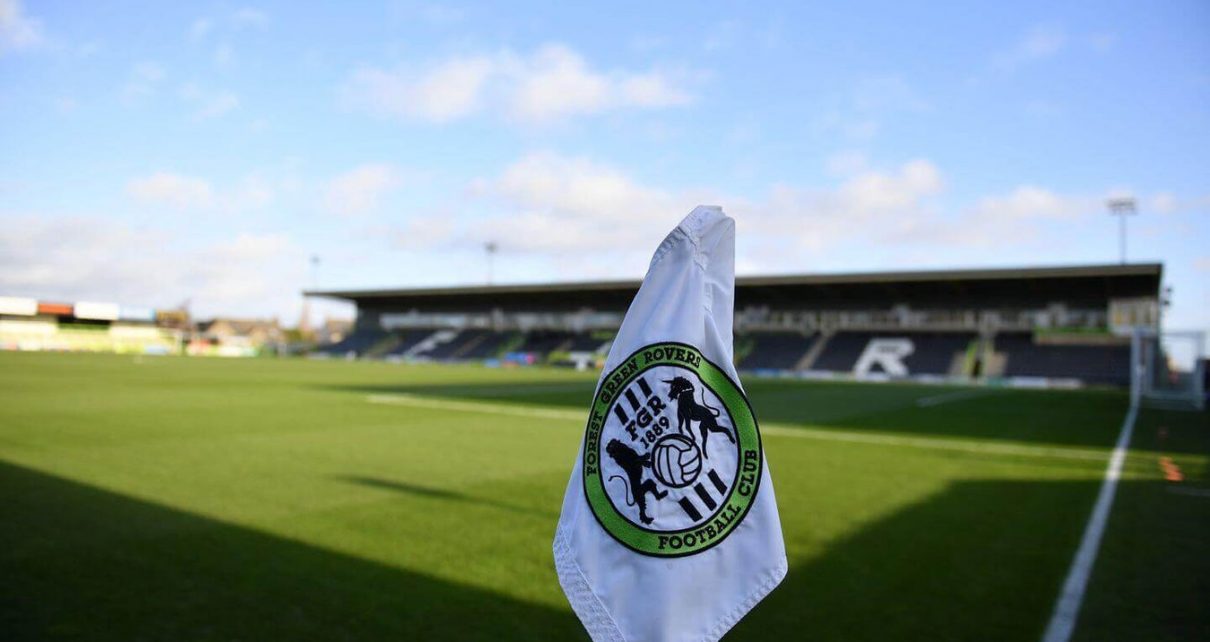
The world’s greenest football club are losing their academy funding. Two failed promotion bids, two seasons of dwindling grants, and now the EPPP has nothing left to offer Nailsworth.
Forest Green Rovers, the world-famous vegan football club from the Gloucestershire village of Nailsworth, lost their Elite Player Performance Plan (EPPP) academy funding this spring after a 1-0 extra-time defeat to Boreham Wood in the National League play-offs confirmed a third consecutive season outside the Football League and triggered the automatic withdrawal of central youth development support under rules that give relegated clubs just two years to win their way back.
There is a rule in English football that carries no malice and makes no exceptions. Under the Elite Player Performance Plan, any club relegated from the EFL is allowed to keep running its academy for a maximum of two seasons in non-league. The funding is halved in that second year. After that, it stops altogether, regardless of what you have built, what you have spent, or how close you came to getting back.
And given everything that has unfolded at The New Lawn over the past two years, it is hard to say it came as a surprise.
The season ended on a Wednesday night in late April with a 1-0 loss to Boreham Wood in the National League play-off eliminator, Zak Brunt’s goal just before the break in extra time dashed any hopes of a return to the EFL. It was the second successive year Robbie Savage’s side had fallen at the same stage. Two shots at the play-offs. Two early exits. And with each one, the financial and structural consequences have grown harder to absorb.
The academy is now the most visible casualty of that failure.
Forest Green are one of only two National League clubs still running an academy at EFL Category 3 level, a fact the club has always worn as a badge of honour. Keeping such an operation alive at the fifth tier of English football is an act of considerable conviction. It costs the best part of a million pounds a year. It makes little obvious commercial sense for a club of this size. And it has required a level of commitment from chairman Dale Vince that most owners at this level would simply not entertain.
But the numbers have become impossible to ignore. In April, before the play-offs had even been played, Vince confirmed the club would be dropping its U9 to U14 programmes. “This was a tough decision because I love what we do at the Academy,” he said, “but the fact is, at over £1m per year, it’s unsustainable for a club our size.” The U15s, U16s and the U18 Scholarship Programme would continue. The rest was gone. And crucially, the announcement came with an implicit acknowledgement that whatever happened against Boreham Wood, the EPPP funding was already finished.

That is worth sitting with for a moment. The club had effectively accepted the situation before the season was even over. The play-off defeat simply confirmed what the structure had already decided.
The way the funding works is straightforward enough. In the first season after relegation from the EFL, clubs keep receiving full EPPP support for their academies. In the second, that grant is cut in half. From the third season onwards, clubs drop to the standard Youth Development Grant that all National League sides receive, a figure that is nowhere near sufficient to run a Category 3 operation. For Forest Green, the first year was 2024/25 and the second was the season just gone. The third, starting this summer, carries no meaningful central funding at all.
It is a situation others have faced before. Oldham Athletic closed their Category Three academy in the spring of 2024 after their own play-off failure condemned them to a third straight season in non-league. The Latics had kept the faith for as long as they could, publicly pledging their commitment even as the money dwindled. In the end, it made no difference. The mathematics caught up with them. Forest Green, already carrying losses in excess of £3 million across each of the past two financial years, have moved sooner and more deliberately than Oldham managed. Pulling back the younger age groups before the full withdrawal of funding, rather than scrambling afterwards, at least gives the club some control over the transition. But it is a transition nobody at The New Lawn wanted to be making.
The wider context at Forest Green makes this feel all the more significant. This is, after all, one of the most distinctive football clubs on the planet. Vegan since 2015 and the world’s first carbon-neutral football club, they have built a commercial brand that reaches far beyond Nailsworth and far beyond the fifth tier. Sponsorship revenues account for roughly £5 million of a total annual turnover of around £7.2 million, a striking proportion for a National League side, and one that reflects the global appeal of what Dale Vince has created. The football and the philosophy have always been intertwined at The New Lawn. The academy was very much part of that story, a genuine commitment to local youth development wrapped up in the same values the club sells to the world.
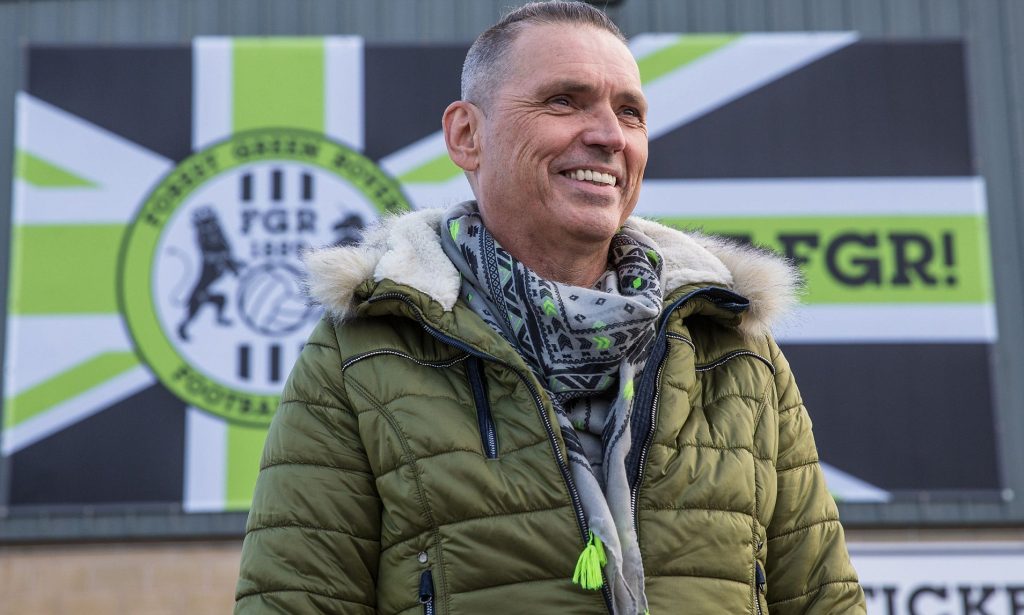
Losing it, even partially, chips away at that identity.
There is also a practical consequence that tends to get overlooked in these situations. Under EPPP regulations, clubs with a Category 3 academy or above are entitled to compensation when players they have developed are signed by clubs higher up the pyramid. That right vanishes when the academy status goes. Any youngster nurtured through Forest Green’s system and subsequently picked up by a Premier League or Championship academy would previously have generated a financial return for the club. That pipeline closes with the funding. Young players from Gloucestershire, the Forest of Dean and the surrounding area who might have found their way into a professional development environment through The New Lawn will now be looking elsewhere. For most of them, that means Cheltenham Town. For some, it means further afield entirely.
None of which makes the task facing Robbie Savage this summer any simpler. Seven players have been released since the Boreham Wood defeat, among them club stalwarts Christian Doidge and Ryan Inniss, and negotiations are still ongoing with captain Jordan Moore-Taylor and goalkeeper Harry Isted. Savage and director of football Mark Bowen need to rebuild a squad capable of going one better than the last two seasons, all while operating within the financial constraints of a club that has now been outside the Football League for two years running and is carrying the cost of that extended absence in its accounts.
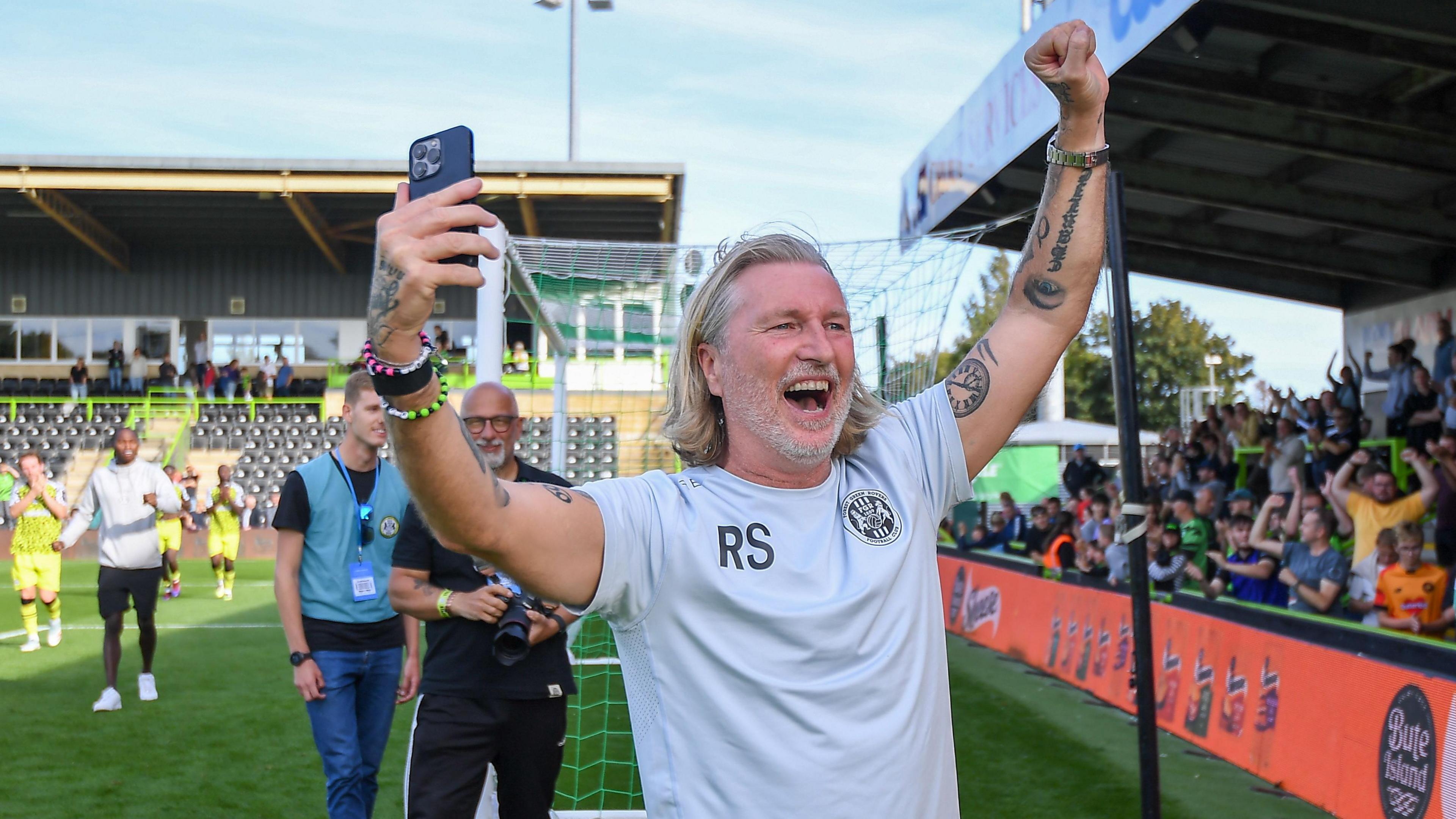
A third consecutive National League campaign awaits. The academy, in the form that Forest Green built it, will not survive to see the other side of it.
There is something bleak about the timing. The club set the standard, ran the programme when nobody expected them to, kept it going through two brutal years of relegation and financial strain. And the reward, after two play-off campaigns that fell just short, is that the system designed to incentivise a return to the EFL has now removed the very infrastructure that made them different.
The world’s greenest football club has always insisted it does things its own way. Some rules, though, were never going to bend for anyone.


