

Global panic has started as the strikes in the Middle East have threatened the fuel and oil supply. But is the UK in the middle of a fuel shortage crisis?
The short answer is, no, not exactly.
The UK has a large stockpile across the nation of fuel resources but with the growing worry about the conflict in the Middle East, there is a demand spike driven by concern and not an actual supply issue.
The head of policy at the RAC, Simon Williams, said that “While the conflict in the Middle East undoubtedly has the potential to push up pump prices in the UK, it’s not a certainty. The oil price would have to rise significantly and stay that way for some time to have a dramatic effect.”
Although there isn’t a national shortage of fuel, the prices have been gradually increasing due to the limited supply leaving the Strait of Hormuz, with petrol stations struggling to keep business.
Berkeley Service Station, located on the A38, has said that “The reason for price changes is wholesale market movement” and that they “do not raise prices for profit during uncertainty. Our margins remain tight and consistent”.
In Cheltenham, seven companies have increased their petrol and diesel prices in the last 24 hours, with Esso having the most expensive petrol (135.9p), diesel (151.9p) and premium diesel (170.9p), according to petroltracker.co.uk.
Further down the M5, in Bristol, ‘No fuel’ signs have been plastered around petrol stations as panic buying caused many unleaded pumps around the city to run dry. Motorists are being urged to not stock up on fuel as it could make the situation worse with staff directing vehicles around the out of order pumps to make way for others.
But this is not the first time that the nation has seen panic buying take place due to a rise in concern. Back in 2022, when Russia invaded Ukraine, there was another global fuel shortage as it impacted a global fuel shortage, just as companies were reopening after the COVID-19 pandemic.
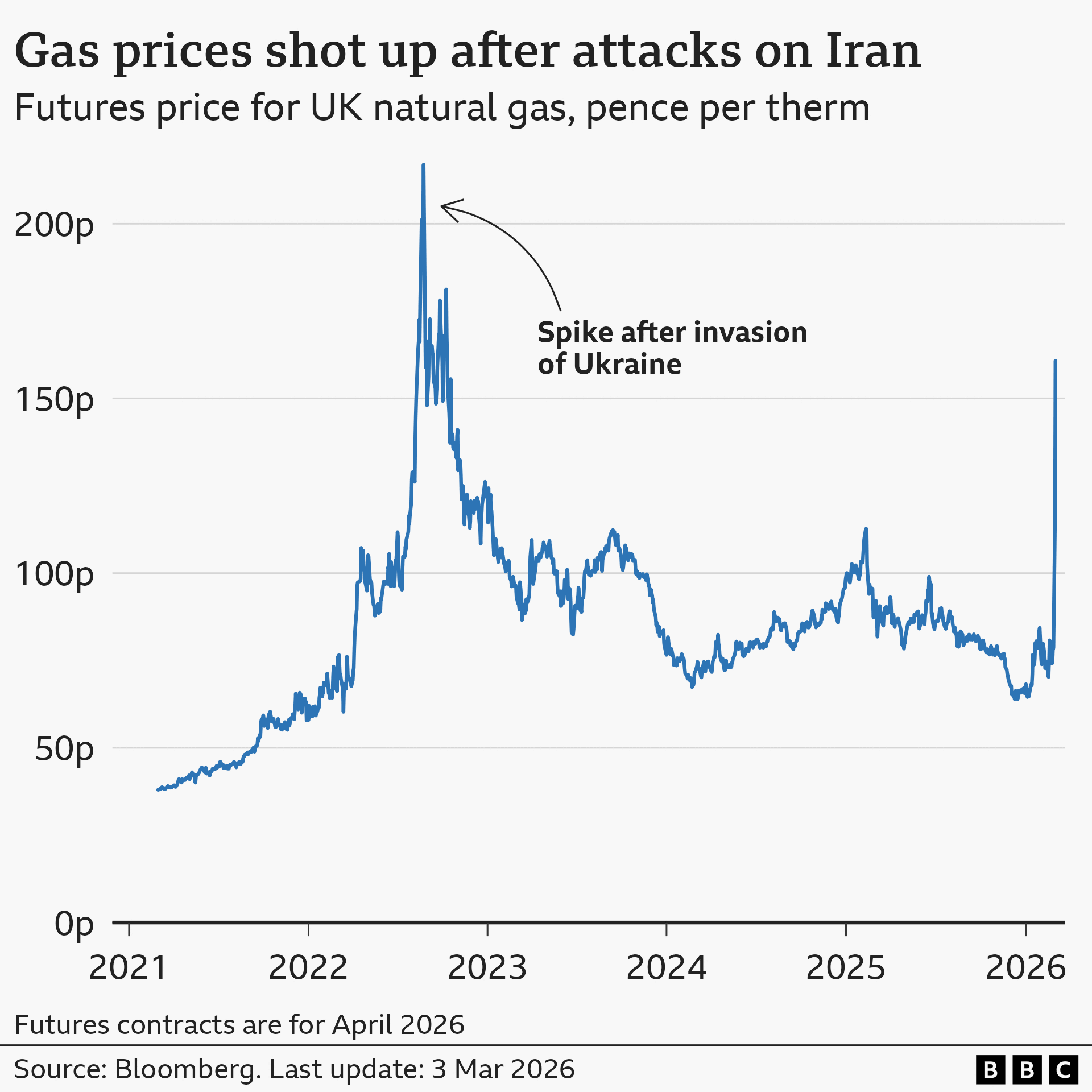
The Strait of Hormuz, the strait between Iran and the United Arab Emirates, is where 20-27% of the world’s fuel and oil resources passes through but since the 28th of February, it has been threatened by military actions and closed to traders. With Asia expected to be the most impacted by these actions due to getting most of their fuel supply from the Middle East, Australia is also facing an uncertain future, with only 36 days of petrol, 34 days of diesel and 32 days of jet fuel left.
Considering this situation as well as the rise in cost of living, there are ways that you can reduce your fuel usage to make your money go further:
Checking your tyre pressure regularly can help as a low tire pressure can contribute to extra fuel being used
Stick to your speed limits, going at 70mph instead of 50mph uses 15% more fuel
Driving abruptly with sudden braking and aggressive acceleration can increase your fuel consumption by 30%
Modern cars don’t need ‘warming up’ so being sat idle could be eating up your fuel


